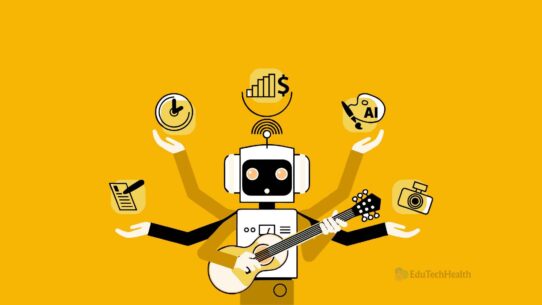


Artificial Intelligence (AI) is reshaping the education landscape by enabling personalized learning in classrooms experiences that adapt to each student’s unique needs, pace, and learning style. Traditional classroom models often rely on a one-size-fits-all approach, but AI-driven tools are changing that by offering tailored educational pathways that enhance engagement, understanding, and outcomes.
Understanding Personalized Learning
Personalized learning focuses on customizing education to fit individual learners rather than forcing all students to follow the same curriculum at the same speed. It considers factors such as learning preferences, strengths, weaknesses, and interests. With AI, this approach becomes more dynamic and data-driven, allowing educators to deliver content that resonates with each student.
How AI Enables Personalization
1. Adaptive Learning Platforms
AI-powered adaptive learning systems analyze student performance in real time and adjust the difficulty level, content type, and pace accordingly. Platforms like these can identify when a student struggles with a concept and provide additional resources or practice exercises to reinforce understanding.
2. Intelligent Tutoring Systems
AI tutors simulate one-on-one instruction by offering instant feedback, hints, and explanations. These systems can guide students through complex topics, ensuring they grasp foundational concepts before moving on to advanced material. This individualized attention helps bridge learning gaps that might otherwise go unnoticed in large classrooms.
3. Predictive Analytics for Student Success
AI can process vast amounts of data to predict student performance and identify those at risk of falling behind. Teachers can use these insights to intervene early, providing targeted support or adjusting teaching strategies to meet specific needs.
4. Automated Administrative Tasks
By automating grading, attendance tracking, and other administrative duties, AI frees up teachers’ time to focus on personalized instruction and student engagement. This shift allows educators to spend more time mentoring and less time managing paperwork.
5. Customized Learning Content
AI can curate and recommend learning materials based on a student’s progress and interests. For example, if a student excels in visual learning, the system might suggest videos or interactive simulations instead of text-heavy resources.
Benefits of AI-Driven Personalized Learning
- Improved Engagement: Students are more motivated when learning aligns with their interests and abilities.
- Better Retention: Tailored content helps learners understand and remember information more effectively.
- Equity in Education: AI ensures that every student receives the support they need, regardless of background or learning pace.
- Teacher Empowerment: Educators gain valuable insights into student performance, enabling more informed teaching decisions.
Challenges and Considerations
While AI offers immense potential, it also raises concerns about data privacy, algorithmic bias, and over-reliance on technology. Schools must ensure ethical AI use by maintaining transparency, protecting student data, and combining AI insights with human judgment.
As AI continues to evolve, its role in education will expand beyond personalization.
The Future of AI in Education
As AI continues to evolve, its role in education will expand beyond personalization. Future classrooms may feature AI-driven virtual mentors, real-time language translation, and immersive learning environments powered by augmented and virtual reality. The ultimate goal is not to replace teachers but to empower them with intelligent tools that make learning more effective and inclusive.
Conclusion
AI is revolutionizing personalized learning by turning classrooms into adaptive, student-centered environments. Through intelligent systems that understand and respond to individual needs, education is becoming more engaging, equitable, and efficient. As schools embrace AI responsibly, the future of learning promises to be more personalized than ever before.